Reproducible,
citable results
 Archives that remain
fully usable
 Your legacy databases,
finally reusable
Academic research demands rigorous data management: projects span years, involve successive student cohorts, and must produce reproducible, citable results. Too often, each generation inherits scattered files it must first reconstruct.
ArcheoBase is a secure, web-based research infrastructure grounded in real archaeological fieldwork and professional practice, providing universities with a durable institutional framework for research, teaching, field training, and archaeological data stewardship.
Free personal access
for all Bachelor's and
Master's students
ArcheoBase is built around how universities work. When professors, permanent researchers, and PhD candidates hold licenses, all Bachelor's and Master's students receive personal access to the platform at no additional cost. This model allows students to train on the same tools used in professional and institutional archaeology, ensuring methodological continuity between teaching, research, and field practice.
Annual field campaigns
go fully digital
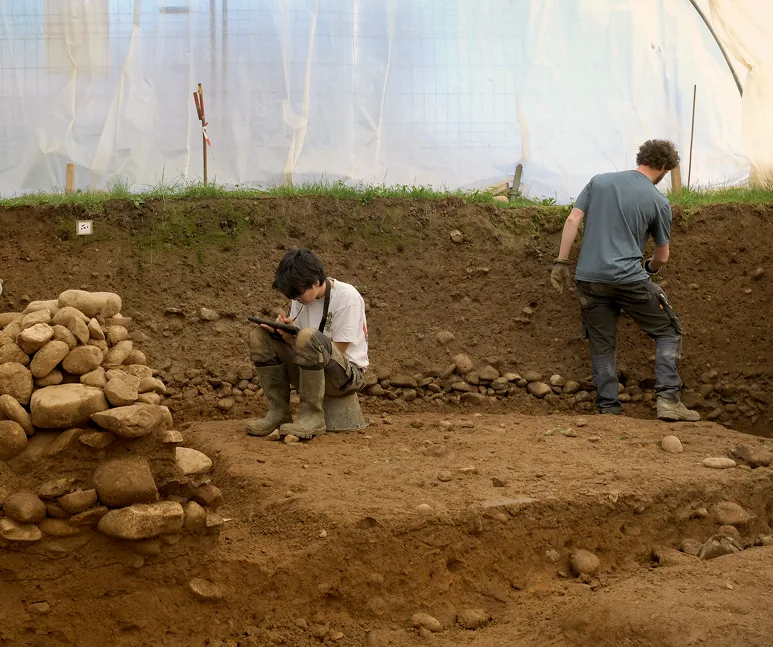
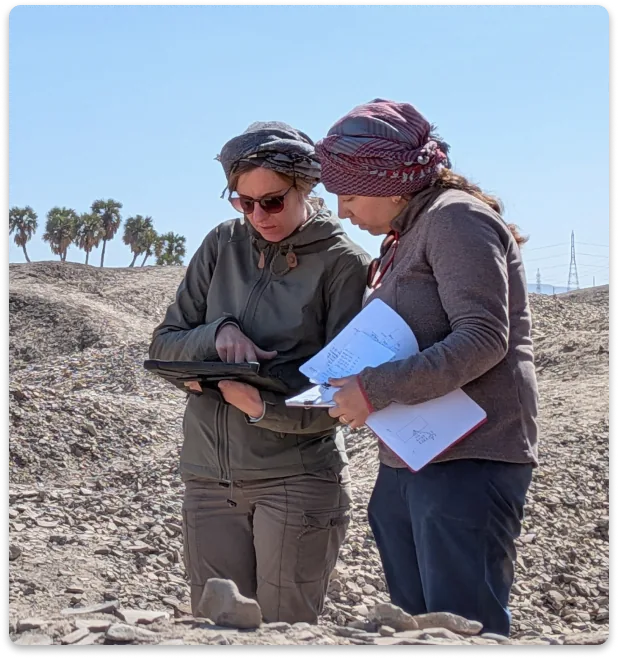
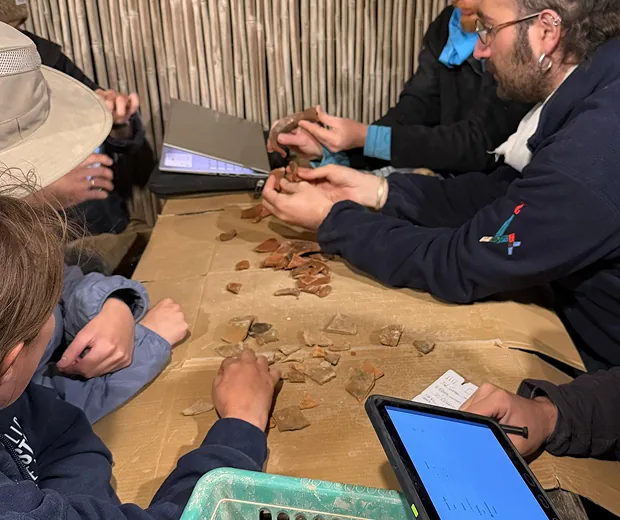
During intensive 2- to 7-week field campaigns, all students document on site using personal accounts. Data is entered once, immediately structured, and shared with the team in real time.
Professional skills
from day one
Students learn to document with the same digital tools they will meet in professional practice. By the end of a campaign, structured recording, photo management, and stratigraphic analysis are working habits, not theory.
 Learn
Apply
Professional
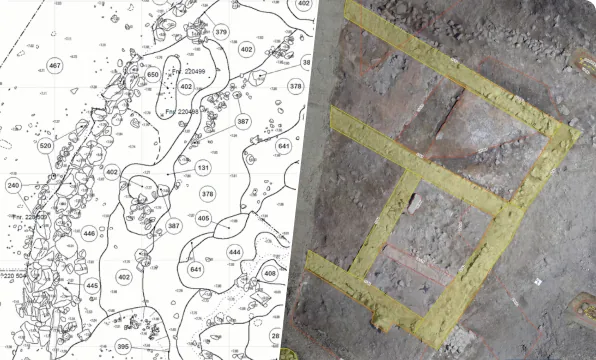
Knowledge continuity across student generations and research projects
Data produced during teaching excavations remains structured, accessible, and reusable over time, allowing successive cohorts and research projects to build on existing work.
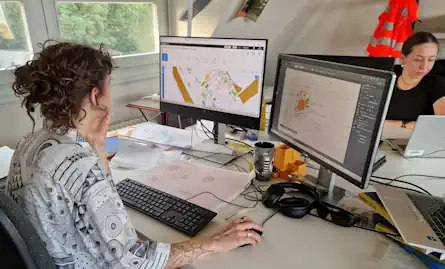
Multi-institutional collaboration made possible
ArcheoBase facilitates collaborative projects between universities and partner institutions through shared workspaces and controlled access, while preserving institutional responsibility and data ownership.
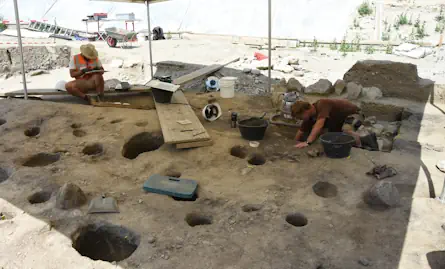
Standards-based, yet methodologically flexible
ArcheoBase relies on structured, standards-compatible data models while remaining adaptable to diverse excavation practices, research questions, and institutional methodologies.
Full data
sovereignty,
zero IT burden
Institutions retain complete ownership and control of their data, while the web-based platform operates without local installation, maintenance, or dedicated infrastructure. Hosted on enterprise-grade AWS infrastructure certified to international security standards (ISO 27001, SOC 1/2/3), with encryption at rest and in transit and automated backups to your own servers, all under the Swiss data protection framework.
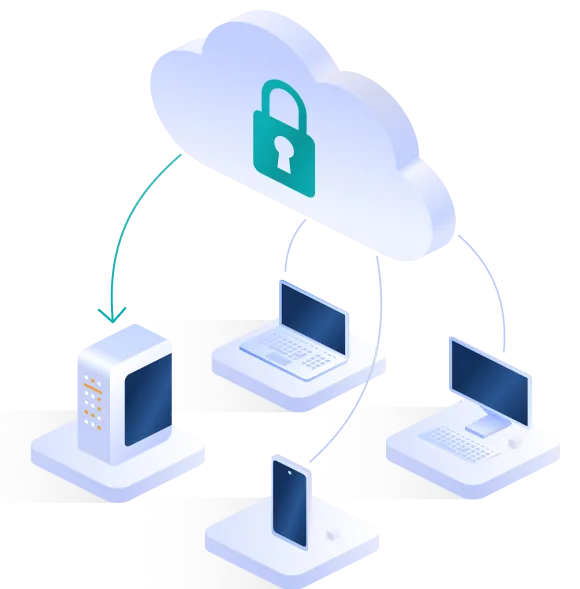 Backups
One environment from trench to publication
Documentation, post-excavation work, and publication are handled within a single coherent system, avoiding fragmentation across tools, files, and formats.

Documentation

Post-excavation

Publication
Fieldwork data
becomes
research-ready
immediately
Data recorded during excavation is structured at source, enabling analysis, validation, and reuse to begin directly after fieldwork, without transcription or reformatting.
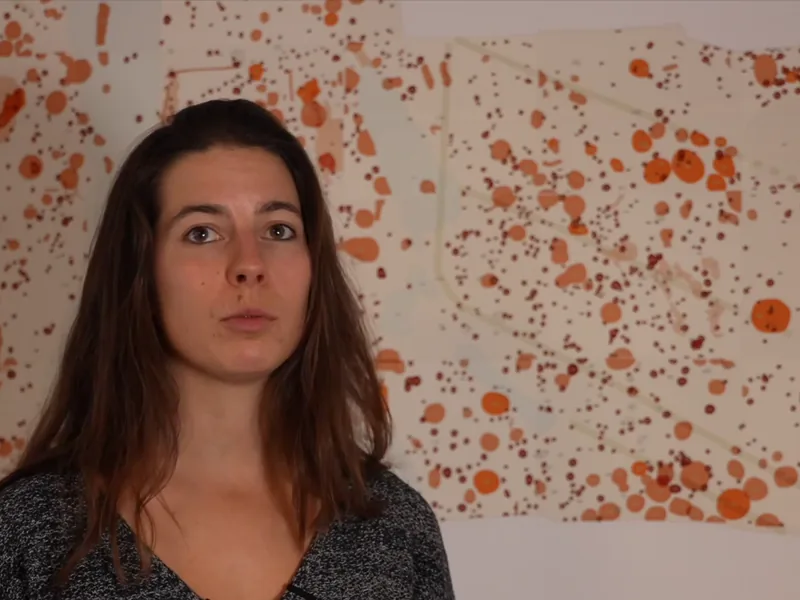
I am currently working on a doctoral thesis at the University of Zurich. The main advantage of ArcheoBase is having access to all the excavation data of the site. 3,500 structures and 2,500 postholes were recorded. Each structure record in ArcheoBase always has its links, which gives me really easy access to the data and then efficient post-excavation processing of it.
Free calibration to your methodology. Free field test. No commitment.
Book a Demo